
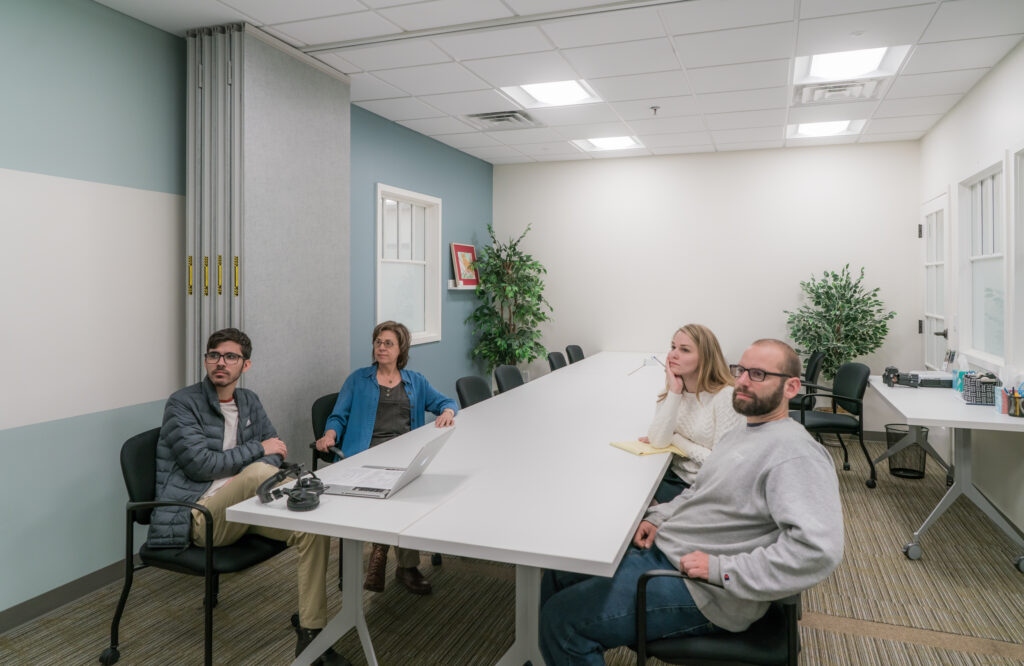
A successful business event begins long before the first guest walks through the door. Whether you are organizing a client appreciation event, networking night, workshop, training session, company meeting, product presentation, or small conference, the decisions you make during the planning stage will determine how smoothly the event runs.
The good news is that business event planning does not have to be complicated. Once you break the process into manageable steps, it becomes much easier to keep track of the venue, budget, guests, technology, food, schedule, and dozens of smaller details that can otherwise become overwhelming.
This guide explains how to plan a business event from the initial idea through the final follow-up, including what to consider when choosing a venue and how to avoid some of the most common planning mistakes.
1. Start With a Clear Purpose
Before choosing a venue, ordering food, or sending invitations, decide exactly why you are holding the event. A clear objective makes nearly every decision that follows easier because you can evaluate each choice based on whether it supports the purpose of the event.
A client appreciation reception, for example, should probably feel relaxed and social. A training session needs comfortable seating, good sightlines, presentation equipment, and enough time for attendees to absorb the material. A networking event needs space that encourages people to move around and talk rather than a room arranged entirely around a presentation screen.
Try to describe the purpose of your event in one or two sentences. You should also decide what would make the event successful, whether that means generating leads, educating customers, strengthening relationships, training employees, introducing a new service, or simply bringing a team together.
The SCORE event planning checklist recommends beginning with the desired outcome and using a structured planning process to make sure important logistical details are not overlooked.
2. Define Your Audience and Expected Attendance
Once you understand the purpose, think carefully about who should attend. The audience for a local business networking event will be very different from the audience for an internal planning session or an educational seminar for customers.
Create a realistic estimate of attendance rather than automatically planning around the maximum number of people you hope will come. Attendance affects the venue, seating arrangement, food, parking, staffing, registration process, and overall budget.
If attendance is uncertain, ask potential venues how flexible they can be with room arrangements. A room that feels comfortable with 30 people can feel empty with 10, while a space designed for 10 can become uncomfortable very quickly if twice that number arrives.
It is also helpful to decide early whether the event will be invitation-only, open to the public, ticketed, or free with registration. That decision will influence how you promote the event and how accurately you can predict attendance.
3. Establish a Realistic Budget
Even a relatively simple business event can involve more expenses than expected. Creating a budget early helps prevent the event from growing beyond what the business can comfortably afford.
Common expenses include the venue, food and beverages, audiovisual equipment, speakers or entertainment, printed materials, decorations, photography, advertising, event software, staffing, transportation, and any gifts or promotional items you plan to distribute.
Eventbrite’s event budget guidance recommends accounting for major categories such as venue, staffing, catering, equipment, travel, and other operational costs rather than focusing only on the obvious expenses.
Leave some room in the budget for unexpected costs as well. Last-minute printing, additional food, an equipment rental, or another small change may not seem significant individually, but several unexpected expenses can add up quickly.
If the event is intended to produce revenue or new business, decide how you will measure the return. Ticket revenue may be easy to calculate, while the value of new leads, client relationships, employee training, or brand awareness may require a longer-term view.
4. Choose the Right Date and Time
The best date is not simply the first opening on your calendar. Think about when your intended audience is most likely to attend and what other commitments may compete for their attention.
A professional workshop might work well during normal business hours, while a networking event could be easier for people to attend late in the afternoon or early evening. An internal company meeting may be more productive in the morning, before employees become occupied with the rest of their workday.
Check local calendars for major holidays, school vacations, community events, conferences, and other activities that could affect attendance. This is particularly important on Cape Cod, where traffic patterns, tourism, and seasonal activity can change significantly throughout the year.
Give people enough notice for the type of event you are organizing. A small team meeting may require only a few days of planning, while a larger public event, conference, or workshop may need weeks or months of preparation.
5. Select a Venue That Fits the Event
Venue selection is one of the most important decisions you will make because the physical space affects almost every part of the guest experience. Eventbrite includes venue selection among the core elements of its event planning checklist, along with defining objectives, establishing a budget, planning food and beverages, coordinating vendors, and creating a detailed event schedule.
Start with capacity, but do not stop there. Consider how the room can be arranged, whether attendees need tables, whether there is space for networking, and whether everyone will be able to see and hear a presentation comfortably.
Location matters as well. Think about parking, accessibility, travel time for attendees, nearby restaurants or accommodations, and whether the venue will be easy for first-time visitors to find.
Technology should be part of the venue decision rather than something you think about the day before the event. Ask about Wi-Fi, displays, presentation screens, video conferencing, microphones, power outlets, adapters, and any other equipment your program requires.
For businesses researching how to plan a business event, CapeSpace provides meeting and event spaces in Hyannis and Mashpee Commons that can be reserved without maintaining a permanent office. The Mashpee location offers rooms for different meeting styles and sizes, along with technology, configurable layouts, high-speed fiber internet, and evening or weekend reservation options.
6. Think About Accessibility
An event should be planned so that as many invited guests as possible can participate comfortably. Accessibility is easier to address while selecting and organizing the venue than after attendees have already registered.
Consider accessible entrances, parking, restrooms, routes through the venue, seating arrangements, and the ability to accommodate guests who may have mobility, hearing, vision, or other accessibility needs. If your event includes online or hybrid participation, accessibility considerations can also extend to the technology used for presentations and video conferencing.
The U.S. Department of Justice provides extensive information about the Americans with Disabilities Act and accessible design. Its accessibility standards establish requirements for public accommodations and commercial facilities, making ADA.gov a useful resource when accessibility questions arise during venue planning.
You do not need to become an accessibility expert to organize a small business event, but you should ask your venue what accommodations are available. If an attendee requests a specific accommodation, communicate with the venue early rather than trying to solve the problem on the day of the event.
7. Create an Agenda That Respects People’s Time
An event does not become more valuable simply because it lasts longer. A focused 90-minute program can be much more effective than a three-hour event filled with unnecessary presentations and waiting.
Build the agenda around the primary objective you established at the beginning. Decide when guests should arrive, how much time registration will require, when presentations begin, how long each speaker needs, when breaks occur, and how much time should be reserved for questions or networking.
If multiple people are presenting, provide each person with a clear time limit and explain what you need from them. Allowing every speaker to determine their own presentation length is an easy way for an event to run behind schedule.
Include some flexibility in the timeline because conversations, technical transitions, questions, and other small delays are inevitable. A schedule that only works when every activity ends at the exact second planned is probably too tight.
8. Plan the Room Around What People Will Be Doing
Room layout can significantly change the atmosphere of an event. A setup that works for a presentation may be completely wrong for a brainstorming session or networking reception.
Traditional rows of chairs are useful when the focus is primarily on a speaker. Conference-style seating works well for collaborative discussions, while classroom arrangements provide attendees with space for laptops and notes. Smaller tables can encourage group interaction, and an open arrangement may work better for networking events where people should be moving around.
Think about movement as well as seating. Guests should be able to enter, find their seats, reach refreshments, visit restrooms, and leave without repeatedly disrupting the program.
If you are unsure about the setup, ask the venue what configurations are available and what has worked for similar events. An experienced venue team may be able to identify practical issues that are easy to miss when looking only at a floor plan.
9. Confirm Your Technology Before the Event
Few things disrupt a professional event faster than spending the first 15 minutes trying to connect a laptop to a screen. Technology should be tested before guests arrive, even if the setup seems simple.
Confirm the type of display connection you need and bring any necessary adapters. Test presentations, videos, microphones, virtual meeting links, speakers, and internet access before registration begins.
If remote participants or speakers will join the event, conduct a test beforehand whenever possible. Check the camera position, audio, lighting, internet connection, and how remote participants will interact with people in the room.
It is also smart to have a backup plan. Keeping a copy of an important presentation on another device or in cloud storage can prevent a minor technical problem from becoming a major one.
10. Plan Food and Refreshments Carefully
Food does not need to be elaborate to improve an event. Coffee and light refreshments may be enough for a short morning meeting, while a longer workshop may require lunch or more substantial food.
Consider the timing of food as carefully as the menu. Serving lunch in the middle of a presentation, creating a long line during a short break, or putting the coffee station in a location where people constantly walk in front of the speaker can create unnecessary disruption.
Ask attendees about dietary requirements when appropriate and work with reputable food providers. If food will be held or transported for an extended period, proper food handling becomes particularly important.
The Centers for Disease Control and Prevention notes that catering events have been associated with foodborne illness when food is not maintained at safe temperatures. Its food safety guidance for catered events recommends keeping food at safe temperatures during transportation and service and refrigerating food promptly when necessary.
11. Promote the Event With the Audience in Mind
Not every business event needs a large marketing campaign. Promotion should match the audience and the goal.
An internal workshop may require nothing more than calendar invitations and a few reminders. A client event might benefit from personal invitations and email marketing, while a public seminar or networking event could require social media, local business organizations, community calendars, partner promotion, and online registration.
Make the essential information easy to find wherever the event is promoted. Attendees should immediately understand what the event is, who it is for, when and where it takes place, what they will gain from attending, and how to register.
If registration is required, keep the process as simple as possible. Asking for information you do not actually need creates more work for attendees and may discourage registrations.
12. Communicate With Attendees Before the Event
Do not assume that someone who registered three weeks ago still remembers every detail. A reminder shortly before the event can reduce confusion and give attendees an opportunity to ask questions.
Include the date, start time, address, parking instructions, expected duration, and anything attendees should bring. If there are special check-in procedures or building access instructions, explain those clearly before people arrive.
For an online or hybrid event, provide the virtual access information and basic technical instructions. If there is preparation attendees should complete beforehand, such as reading a document or submitting questions, include that in the reminder as well.
Good pre-event communication also reduces pressure on the organizer. Answering common questions in advance means fewer phone calls, emails, and problems during the final hours before the event begins.
13. Create a Day-of-Event Plan
Even a small business event benefits from a written plan for the day itself. Decide who will arrive first, who is responsible for checking the room, who welcomes guests, who handles technology, and who communicates with the venue or vendors if something changes.
Arrive early enough to walk through the space before attendees arrive. Check seating, temperature, signage, refreshments, bathrooms, presentation equipment, registration materials, and anything else guests will interact with.
SCORE’s event planning guidance emphasizes having a detailed checklist so that logistical responsibilities do not depend entirely on memory.
If several employees are helping, assign responsibilities instead of assuming everyone knows what needs to be done. When ownership is clear, small problems can usually be addressed without distracting the person responsible for running the entire event.
14. Have a Backup Plan
Something will eventually go differently than expected. The goal is not to anticipate every possible problem but to identify the problems that would have the greatest effect on the event.
Think through what you would do if a speaker cancels, attendance is higher or lower than expected, the presentation laptop fails, food arrives late, weather affects travel, or an important piece of equipment is unavailable.
Eventbrite includes contingency planning as one of the core elements of its event checklist. A backup plan does not need to be complicated, but knowing your alternatives ahead of time makes it much easier to respond calmly when circumstances change.
Keep important contact information accessible on the day of the event. Venue staff, caterers, speakers, vendors, and other key participants should be easy to reach without searching through old emails while guests are arriving.
15. Follow Up After the Event
The event is not necessarily finished when the last person leaves. A thoughtful follow-up can extend its value and provide useful information for planning future events.
Depending on the purpose, you might send attendees a thank-you email, presentation materials, additional resources, photographs, a recording, contact information, or details about the next event.
This is also the right time to ask for feedback. A short survey can reveal whether attendees found the content useful, whether the venue worked well, how they heard about the event, and what they would like to see next time.
Review the event internally as well. Compare actual costs with the original budget, review attendance, discuss what went smoothly, and document anything you would change.
Those notes are easy to forget six months later, but they can make planning the next event considerably easier.
A Simple Business Event Planning Timeline
The amount of preparation you need depends on the size and complexity of the event, but it helps to work backward from the event date. Larger conferences may require many months of preparation, while a small meeting or workshop can often be organized much more quickly.
During the early planning stage, concentrate on the purpose, audience, budget, date, and venue. Once those decisions are secure, move on to speakers, food, technology, promotion, registration, and the detailed agenda.
As the event approaches, shift your attention toward confirmations. Verify attendance, vendors, room arrangements, technology, catering, presentations, signage, and staff responsibilities.
On the final day, your job should primarily be execution rather than making major planning decisions. The more questions you resolve beforehand, the more attention you can give to your guests.
Common Business Event Planning Mistakes
One of the most common mistakes is choosing a venue before fully understanding the event. An attractive room will not solve a mismatch between the space, number of guests, technology requirements, and the activities you have planned.
Another mistake is trying to include too much. Too many speakers, activities, presentations, or objectives can make an event feel rushed and leave attendees unsure about what they were supposed to take away from it.
Technology is another area that planners often underestimate. Assuming the Wi-Fi will work, the laptop will connect, or the video conference will start without testing creates unnecessary risk.
Finally, do not forget the attendee experience. Clear directions, comfortable seating, reliable technology, reasonable breaks, accessible facilities, good communication, and a schedule that respects people’s time are often more important than elaborate decorations or expensive extras.
Choosing a Business Event Venue on Cape Cod
For a Cape Cod business, the right venue may not need to be a traditional hotel ballroom or dedicated event facility. A professional meeting space can be a better fit for workshops, presentations, networking gatherings, training sessions, board meetings, interviews, and smaller company events.
CapeSpace provides professional meeting and event spaces in Hyannis and Mashpee Commons. Its flexible rentals allow businesses to reserve the space they need for a particular event rather than maintaining a permanent meeting facility throughout the year.
When comparing locations, consider more than capacity. Look at technology, internet reliability, furniture configuration, parking, accessibility, privacy, available hours, food options, and the type of atmosphere you want to create.
The best venue is ultimately the one that makes it easy for attendees to participate and allows the organizer to concentrate on the purpose of the event rather than constantly solving logistical problems.
Plan the Event Around the Experience You Want to Create
Successful business event planning is mostly about making deliberate decisions before they become last-minute problems. Start with a clear purpose, understand your audience, establish your budget, choose the right environment, and build the schedule around what attendees actually need.
You do not need to make every business event elaborate. A well-organized two-hour workshop in an appropriate meeting room can provide far more value than a much larger event without a clear objective.
When the purpose, people, space, technology, and schedule work together, the event feels organized without attendees ever having to think about all the planning that happened behind the scenes. That is usually a good sign that the planning worked.
Planning a business meeting, workshop, or event on Cape Cod? Explore CapeSpace’s flexible meeting and event spaces in Hyannis and Mashpee Commons and find the right space for your next gathering.