
Not every business needs a full-time office. Many consultants, freelancers, remote workers, real estate professionals, financial advisors, coaches, and small business owners work successfully from home. For daily tasks, that setup can be perfectly fine. You can answer emails, prepare proposals, take phone calls, and manage your schedule without paying for a traditional office lease.
But client meetings are different. When you are meeting with a client, your environment matters. The space around you can influence how prepared, organized, and professional you appear. A noisy coffee shop, a busy home, or a crowded public space may not create the right impression, especially when the meeting involves private details, important decisions, or a new business relationship.
The good news is that you do not need to rent a full office just to host professional meetings. With the right planning and the right meeting space, you can create a polished client experience only when you need it.
Start With the Purpose of the Meeting
Before choosing where to meet, think about what the meeting needs to accomplish.
A casual introduction may only require a comfortable table and a quiet setting. A financial consultation, legal discussion, real estate conversation, or business planning session may require more privacy. A team presentation may need a screen, whiteboard, or conference table. A workshop or training session may need more room, better seating, and reliable technology.The purpose of the meeting should guide the space.
Ask yourself:
Will we be discussing private information?
Do I need to show a presentation?
How many people will attend?
Will we need a screen, Wi-Fi, or conference phone?
Is this a first impression meeting?
Do I need a quiet room with minimal distractions?
Once you know what the meeting requires, it becomes much easier to choose a professional setting.
Avoid the Coffee Shop Trap
Coffee shops are useful for casual work, but they are not always ideal for client meetings.
They can be loud. Seating is not guaranteed. Tables may be too small. Wi-Fi can be inconsistent. Other people may be sitting close enough to hear your conversation. Even if the coffee shop has a nice atmosphere, you do not control the environment.
For some meetings, that may be fine. But for a serious client conversation, it can become a problem.
A client should not have to struggle to hear you over background noise. You should not have to worry about whether a private topic can be overheard. You also should not have to arrive 30 minutes early just to claim a table.
When the meeting matters, a dedicated meeting room is usually the better option.
Choose a Space That Matches the Impression You Want to Make
Professional does not have to mean formal or intimidating. It simply means the space supports the conversation.
A good meeting space should feel clean, comfortable, organized, and appropriate for the type of work you do. It should give your client confidence that you are prepared and that their time matters.
For example, if you are a consultant reviewing a business plan, a quiet conference room may help keep the discussion focused. If you are a real estate professional meeting with buyers or sellers, a private meeting room can create a more comfortable place to review documents. If you are a coach or advisor, a calm, distraction-free setting can help build trust.
The goal is not to impress people with a large office you do not need. The goal is to remove distractions so the meeting itself can be productive.
Prepare the Room Before the Client Arrives
A professional meeting starts before the client walks in. Arrive early if possible. Check the seating. Make sure the room is clean and organized. Test the Wi-Fi. If you are using a screen, presentation, or video call setup, make sure everything works before the meeting begins.
Small details matter. Have your documents ready. Open the files you need on your laptop. Bring a notebook or printed agenda. Make sure your phone is silenced. If the meeting involves multiple people, think about where everyone should sit so the conversation feels natural.
A prepared room helps you start the meeting calmly. It also shows the client that you respect their time.
Create a Simple Agenda
Even a short meeting benefits from structure.You do not need a long formal agenda, but you should know how the conversation will flow. A simple outline can help keep the meeting focused and prevent it from drifting.
For example:
Welcome and quick introductions
Purpose of the meeting
Main discussion points
Questions and next steps
Follow-up plan
This is especially helpful if you are meeting with a new client. It gives them a sense of direction and helps them understand what to expect.
A clear agenda also makes you look more organized. Instead of reacting to the conversation as it happens, you are guiding the meeting with purpose.
Think About Privacy
Privacy is one of the biggest reasons to avoid meeting in public spaces. Many client conversations include sensitive information. That may involve budgets, contracts, business problems, personal goals, property details, financial questions, or future plans. Even if the information is not highly confidential, most clients feel more comfortable speaking openly in a private space.
A professional meeting room gives you that privacy. You can talk at a normal volume. You can review documents without people passing by. You can ask better questions and have a more honest conversation. For many service-based businesses, that privacy helps build trust.
Make the Arrival Easy
The meeting experience begins before the actual meeting. Send your client clear details ahead of time. Include the address, parking information, arrival instructions, and anything they should bring. If the building has a reception area or check-in process, explain that too.
This helps reduce stress for the client. They should not have to wonder where to park, which door to use, or whether they are in the right place.
A simple confirmation message can make a big difference:
“I’m looking forward to meeting with you tomorrow at 10:00 AM. We’ll meet at [location]. Parking is available on-site, and you can check in when you arrive. Please bring any documents you’d like to review.”
Clear communication makes the entire meeting feel more professional.
Keep the Meeting Focused and Respect the Time
A professional meeting does not have to be long. In fact, shorter meetings are often more productive when they are well planned.
Start on time. Keep the conversation moving. Leave room for questions. If a topic needs more discussion than expected, decide whether to extend the meeting or schedule a follow-up.
Respecting time is one of the easiest ways to show professionalism. Clients appreciate when a meeting feels organized, useful, and efficient.
At the end, summarize what was discussed and confirm the next step. This could be sending a proposal, preparing documents, scheduling another meeting, or following up by email.
Follow Up After the Meeting
The meeting does not end when the client leaves.
A follow-up email helps reinforce what was discussed and keeps the relationship moving forward. It also gives the client a written record of next steps.
Your follow-up can be simple:
Thank them for their time.
Summarize the main points.
List any agreed next steps.
Attach documents if needed.
Confirm the next meeting or deadline.
This final step often makes the difference between a meeting that feels casual and one that feels truly professional.
Consider Hourly or Daily Meeting Room Rental
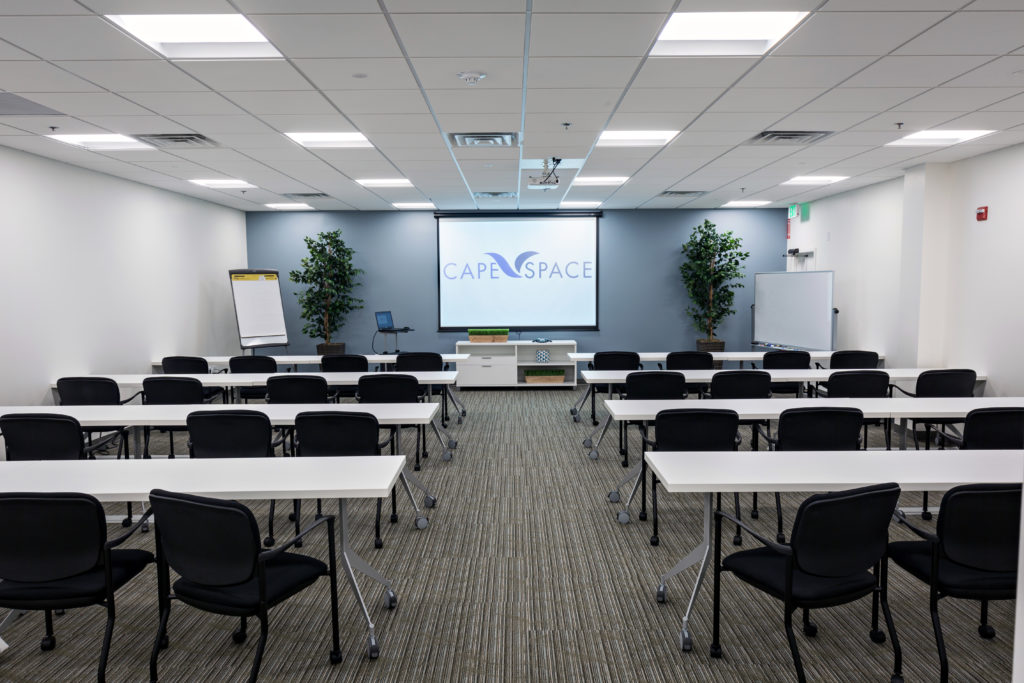
If you only meet with clients occasionally, renting a full-time office may not make sense. A flexible meeting room rental on Cape Cod can be a more practical option.
Instead of paying for office space every month, you can reserve a professional room when you actually need it. This works well for client consultations, presentations, interviews, planning sessions, workshops, and team meetings.
For many small businesses and independent professionals, this is the ideal middle ground. You can keep the flexibility of working from home while still having access to a professional environment for important meetings.
A Professional Meeting Does Not Require a Permanent Office
You do not need a full office lease to make a strong impression.
What you need is preparation, privacy, clear communication, and a space that supports the conversation. When those pieces come together, your client meeting feels more organized and more productive.
For Cape Cod professionals who work from home or on the go, having access to a professional meeting room can make client-facing work much easier. It gives you the right setting when the meeting matters, without the commitment of a permanent office.
CapeSpace offers flexible meeting room options in Hyannis and Mashpee for professionals who need a polished place to meet, present, plan, or collaborate. When your next client meeting needs more than a coffee shop or home office, reserving a meeting room can help you create the right experience from the start.