
Running a small business comes with plenty of questions. How do you write a business plan? Where can you find financing? What permits or licenses might you need? How can you market your business, find employees, or connect with other entrepreneurs?
Fortunately, Cape Cod business owners don’t have to figure everything out alone.
There are organizations throughout Cape Cod and Massachusetts that provide mentoring, education, financing resources, workforce assistance, networking opportunities, and other forms of business support. Whether you’re thinking about starting a business or you’ve been operating one for years, knowing where to find reliable information can make the process easier.
We’ve put together this list of Cape Cod small business resources to help entrepreneurs find useful organizations and services in one place.
1. Cape Cod & Islands SCORE
SCORE
SCORE is one of the first resources Cape Cod entrepreneurs should know about.
The Cape Cod & Islands chapter provides free mentoring and business education for entrepreneurs and small business owners throughout Barnstable, Dukes, and Nantucket counties, as well as parts of Plymouth County. SCORE offers workshops, educational resources, and access to experienced mentors who can help business owners work through questions involving planning, marketing, financing, operations, and growth.
SCORE also publishes a SCORE Handbook for Small Business specifically for Cape Cod and the Islands. The guide covers topics including business structure, pricing, marketing, operations, and financing.
If you’re looking for free guidance from experienced business professionals, Cape Cod & Islands SCORE is a useful place to start.
2. Massachusetts Small Business Development Center
The Massachusetts Small Business Development Center, or MSBDC, provides free and confidential business advising to Massachusetts entrepreneurs and small businesses.
The Southeast Region serves businesses in southeastern Massachusetts, including Cape Cod and the Islands. Advising can cover areas such as business planning, financial analysis, marketing and sales, organizational issues, and financing.
This can be particularly helpful if you have moved beyond the initial business idea and need help making decisions about growth, finances, operations, or strategy.
Visit the Massachusetts Small Business Development Center to learn more about its advising and educational programs.
3. U.S. Small Business Administration
The U.S. Small Business Administration, commonly known as the SBA, provides a broad collection of resources for entrepreneurs and established businesses.
Its resources cover topics such as starting a business, business planning, funding, government contracting, disaster assistance, and managing an existing business.
The SBA also works with organizations such as SCORE and other local partners to provide small business assistance.
For federal-level information, the U.S. Small Business Administration’s small business resources are a good starting point.
4. Cape Cod Chamber of Commerce
Cape Cod Chamber of Commerce
A local chamber can be valuable for businesses that want to become more connected to the regional business community.
The Cape Cod Chamber of Commerce serves businesses throughout the region and provides opportunities related to networking, marketing, advocacy, tourism, and economic development.
Membership-based organizations can also help business owners meet other professionals and learn more about what’s happening in the local economy.
For businesses that rely heavily on local customers, tourism, or regional relationships, the Cape Cod Chamber of Commerce is worth exploring.
5. Community Development Partnership
Community Development Partnership
The Community Development Partnership, based in Orleans, provides assistance to small businesses on Cape Cod.
Its business resources include one-on-one assistance, training, workshops, and information about financing and other business-development resources. The organization also works with entrepreneurs and small businesses on the Lower and Outer Cape.
If your business is located on the Lower Cape, this can be an especially useful organization to know.
You can explore Community Development Partnership’s small business resources for information about available assistance.
6. EforAll Cape Cod
Entrepreneurship for All (EforAll)
Entrepreneurship for All, commonly known as EforAll, provides entrepreneurship programming designed to help people start and grow businesses.
Its Cape Cod programming can be particularly relevant for people who are developing a new business idea or looking for structured entrepreneurial education, mentorship, networking, and community connections.
Programs and schedules can change, so entrepreneurs should check the organization’s current Cape Cod offerings before applying or registering.
For entrepreneurs interested in business education and community connections, EforAll Cape Cod is another resource worth investigating.
7. Coastal Community Capital
Coastal Community Capital
Financing is one of the most common challenges facing small businesses.
Coastal Community Capital provides financing and business support for eligible businesses and entrepreneurs on Cape Cod and throughout its service area. The organization also offers business counseling and participates in educational programming with regional partners.
If you’re researching loans, business financing, or ways to fund growth, Coastal Community Capital can be one organization to add to your research list.
8. Cape Cod Community College
The Center for Corporate and Professional Education at Cape Cod Community College
Business owners don’t necessarily need a traditional degree to benefit from additional education.
Cape Cod Community College offers professional and workforce-development programs through its Center for Corporate and Professional Education. Areas of study include leadership, management, human resources, marketing and sales, entrepreneurship, technology, and other professional skills.
For business owners who want to strengthen a specific skill—or employers looking for professional training opportunities—it’s worth checking the college’s current course offerings.
9. Cape & Islands Workforce Board
Cape & Islands Workforce Board
Hiring can be one of the biggest challenges for a growing small business.
The Cape & Islands Workforce Board works on workforce development throughout the region and connects employers, educators, workers, and community organizations.
For businesses that are hiring or planning for future workforce needs, regional workforce-development organizations can be a useful source of information about employment programs, training, and workforce initiatives.
10. WE CAN
WE CAN
WE CAN is a Cape Cod organization that provides support and resources for women working toward economic stability and self-sufficiency.
Its programs include career support, financial guidance, legal assistance, and small business support.
For women entrepreneurs on Cape Cod, it can be another local resource to investigate when looking for business guidance and community support.
11. Cape Cod Culinary Incubator
Cape Cod Culinary Incubator
Food businesses have some unique challenges, including commercial kitchen requirements, food safety, production, packaging, and scaling.
The Cape Cod Culinary Incubator is a nonprofit organization focused specifically on helping culinary entrepreneurs develop and grow food-related businesses. Its work includes education, community, business support, and access to shared commercial kitchen facilities.
If you’re starting a food product, catering company, or other culinary business, a specialized organization like this can provide resources that a general business organization may not.
12. Local Town Economic Development Resources
Don’t overlook your own town.
Depending on where your business is located, your town government may have information about zoning, permits, licensing, economic development programs, local regulations, and other requirements.
Before signing a lease, opening a storefront, expanding a business, or changing how you use a commercial property, check with the appropriate local department.
Town-specific requirements can vary, so it’s better to verify information directly with the municipality rather than relying on general advice from an online article.
For broader Massachusetts business information, the Massachusetts government business portal is another useful starting point.
13. CapeSpace
CapeSpace
Not every business needs a traditional leased office.
Freelancers, consultants, remote employees, startups, home-based businesses, and small companies may need professional workspace without taking on the cost and commitment of a conventional office.
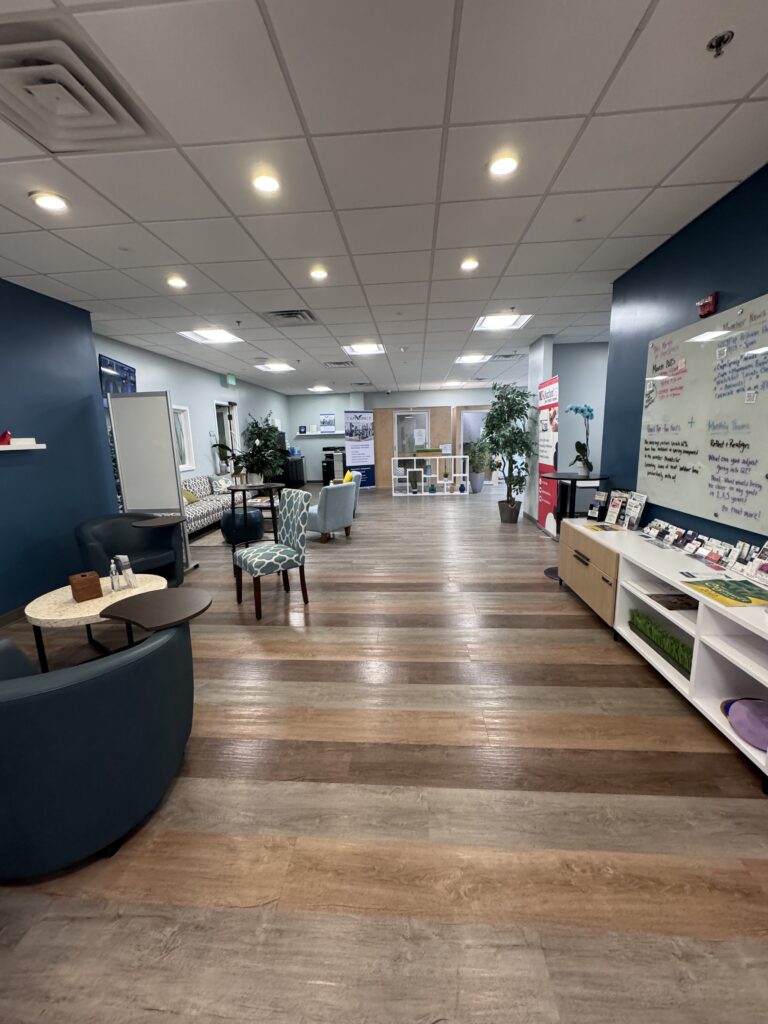
CapeSpace offers flexible workspace in Hyannis and Mashpee, including coworking through its Business Lounge, furnished private offices, meeting rooms, hourly and daily rentals, and business mailing addresses.
For example, a home-based business might use a professional business mailing address while continuing to work from home. A consultant who occasionally meets clients might use meeting space by the hour instead of leasing a permanent office.
Businesses that need a more consistent professional environment can also consider private office space with flexible terms.
The important thing is to match the workspace to how your business actually operates.
14. Business Networking Groups
Business education is only one part of building a company.
Relationships can be just as important.
Depending on your industry and location, Cape Cod offers opportunities to connect with other business owners through chambers, professional organizations, networking groups, workshops, and community events.
Networking can help you:
- Meet potential referral partners
- Find professional services
- Learn from other business owners
- Discover local opportunities
- Develop relationships with potential customers
- Find employees or contractors
- Stay informed about the local business community
Rather than joining every group you encounter, look for organizations where the members and activities are relevant to your business.
15. SCORE’s Cape Cod & Islands Business Resource Library
One final resource worth bookmarking is SCORE’s online library.
SCORE’s Cape Cod & Islands chapter maintains resources covering subjects such as business planning, financing, marketing, operations, government programs, and other topics relevant to entrepreneurs. Its resource library also includes Cape Cod-specific information and guides.
That makes it useful even if you aren’t currently looking for a mentor. You can use the library to research a question before deciding whether you need additional professional assistance.
How to Choose the Right Business Resources
You don’t need to use every organization on this list.
Start with the problem you’re trying to solve.
Starting a business? Begin with SCORE, MSBDC, and SBA resources.
Looking for financing? Research Coastal Community Capital, SBA programs, and other financing options appropriate for your business.
Need help with marketing or business planning? SCORE and MSBDC can provide guidance and educational resources.
Looking for networking opportunities? Explore the Cape Cod Chamber of Commerce and local business organizations.
Hiring employees? Look into regional workforce-development resources.
Need professional workspace? Consider flexible options such as coworking, a private office, or meeting-room rentals.
Running a food business? Specialized organizations such as the Cape Cod Culinary Incubator may be particularly relevant.
The best resource depends on your business, location, industry, and current stage of growth.
Building a Business on Cape Cod Doesn’t Have to Be a Solo Effort
Being a small business owner can sometimes feel like you’re responsible for figuring everything out yourself. But Cape Cod has a network of organizations that can help with different parts of the journey.
From free mentoring and business education to financing, workforce development, networking, and professional workspace, there are resources available for businesses at many different stages.
If you’re building a business on Cape Cod and need a professional place to work, meet with clients, or establish a business presence, CapeSpace’s flexible workspace options provide another resource to consider.
Whether you need a desk for the day, a meeting room for an afternoon, a private office, or a professional business mailing address, the right workspace can give your business room to operate while you focus on what comes next.